

愛
爱 ကိုလည်း ကြည့်ပါ။
| ||||||||
ဘုံဝေါဟာရ
[ပြင်ဆင်ရန်]| စာလုံးရေးဆွဲပုံ | |||
|---|---|---|---|

| |||
ဟန်အက္ခရာ
[ပြင်ဆင်ရန်]愛 (Kangxi radical 61, 心+9, 13 strokes, cangjie input 月月心水 (BBPE), four-corner 20247, composition ⿳爫冖𢖻)
ကိုးကား
[ပြင်ဆင်ရန်]
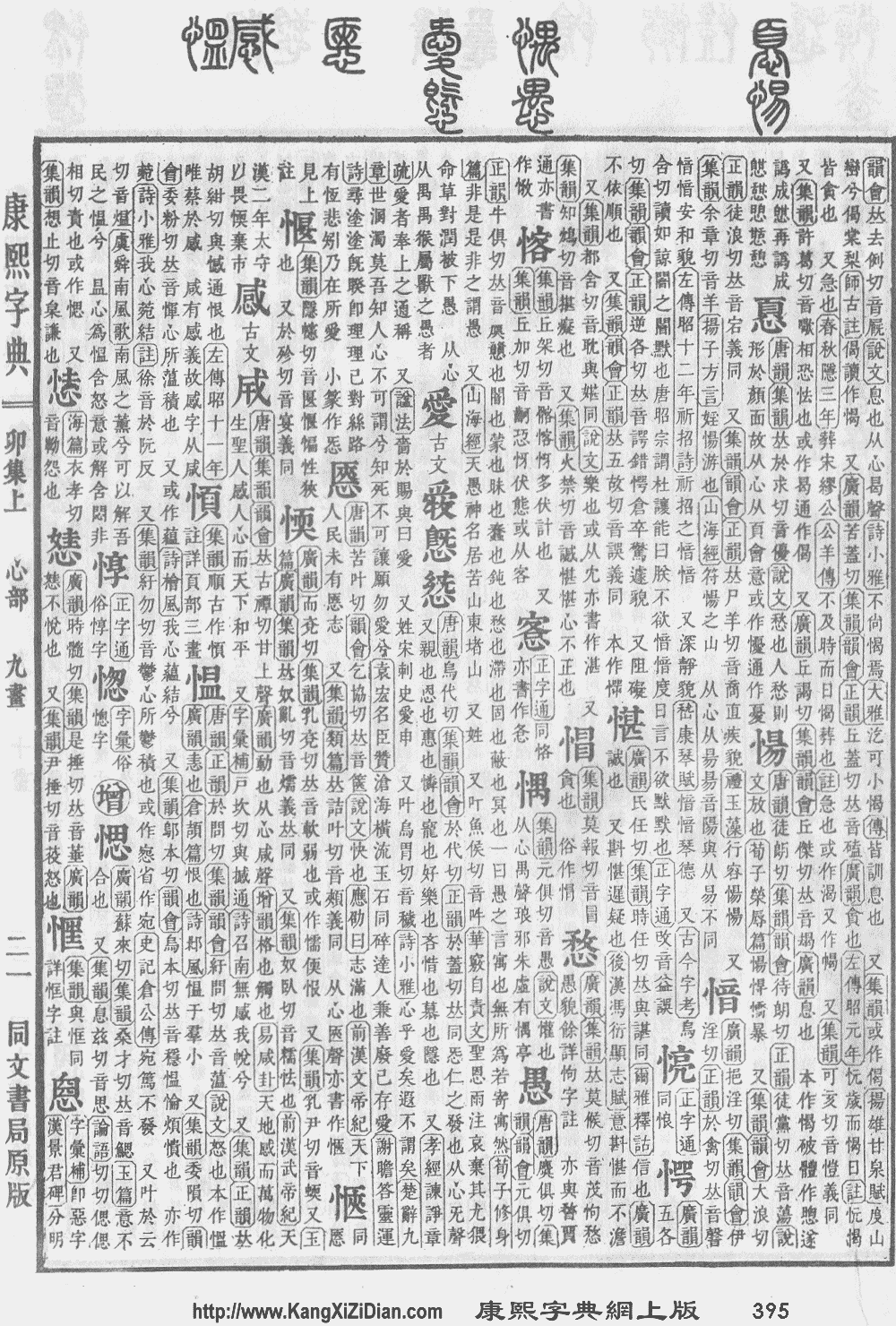
- KangXi: page 395, character 13
- Dai Kanwa Jiten: character 10947
- Dae Jaweon: page 732, character 2
- Hanyu Da Zidian (first edition): volume 4, page 2323, character 1
- Unihan data for U+611B
တရုတ်
[ပြင်ဆင်ရန်]| ရိုးရာ | 愛 | |
|---|---|---|
| ရိုးရှင်း | 爱 | |
| alternative forms | ||
(This form in the hanzi box is uncreated: "爱".)
အသံထွက်
[ပြင်ဆင်ရန်]Lua error in မော်ဂျူး:och-pron at line 227: attempt to call upvalue 'codepoint' (a nil value).
အဓိပ္ပာယ်
[ပြင်ဆင်ရန်]
愛
- ချစ်သည်။
- တန်ဖိုးထားသည်။
- နှစ်သက်သည်။ ကြိုက်သည်။
- ချစ်ခြင်းမေတ္တာ
- 遺愛人間 ― yí'àirénjiān ― to leave love behind
- ချစ်ရသော
- 愛妻 ― àiqī ― ချစ်ရသော ဇနီး
ကြောင်းတူသံကွဲများ
[ပြင်ဆင်ရန်]- The dial-syn page 「喜歡」 does not yet exist. Create the data page and the map!
ဂျပန်
[ပြင်ဆင်ရန်]ခန်ဂျိ
[ပြင်ဆင်ရန်]Lua error in မော်ဂျူး:languages at line 1447: The function getByCode expects a string as its first argument, but received nil..
ရင်းမြစ် ၁
[ပြင်ဆင်ရန်]Lua error in မော်ဂျူး:template_parser at line 1054: attempt to call upvalue 'php_trim' (a nil value). Lua error in မော်ဂျူး:template_parser at line 1054: attempt to call upvalue 'php_trim' (a nil value). 愛 မှ။
အသံထွက်
[ပြင်ဆင်ရန်]Lua error in မော်ဂျူး:ja-pron at line 251: attempt to call field 'kana_to_romaji' (a nil value).
နာမ်
[ပြင်ဆင်ရန်]Lua error in မော်ဂျူး:template_parser at line 1054: attempt to call upvalue 'php_trim' (a nil value).
- ချစ်ခြင်း၊ မေတ္တာ၊ သံယောဇဉ်၊ အချစ်၊ ချစ်ခြင်း။
- မေတ္တာရှိခြင်း၊ ခုံမင်နှစ်သက်ခြင်း၊ အချစ်၊ ချစ်သူ၊ စွဲလမ်းခြင်း၊ ကြိုက်ခြင်း။ (ဖော်ရွေသည့် သဘောဖြင့် သုံးသောအာလုပ်စကား)။ (တင်းနစ်ပွဲတွင်) သုည။
- ချစ်သည်၊ ခုံမင်သည်၊ နှစ်သက်သည်၊ ဝါသနာပါသည်၊ ဝမ်းသာသည်၊ သဘောကျသည်။
- အချစ်၊ ချစ်မေတ္တာ
- Lua error in မော်ဂျူး:ja-usex at line 117: attempt to call field 'add_ruby_backend' (a nil value).
- စွဲလမ်းခြင်း
- ကြောင်းတူသံကွဲ: 愛情 (aijō)
တစ်ဦးဆိုင်နာမ်
[ပြင်ဆင်ရန်]Lua error in မော်ဂျူး:template_parser at line 1054: attempt to call upvalue 'php_trim' (a nil value).
- Lua error in မော်ဂျူး:template_parser at line 1054: attempt to call upvalue 'php_trim' (a nil value).
- မိသားစုအမည်Lua error in မော်ဂျူး:template_parser at line 1054: attempt to call upvalue 'php_trim' (a nil value).
ရင်းမြစ် ၂
[ပြင်ဆင်ရန်]Lua error in မော်ဂျူး:template_parser at line 1054: attempt to call upvalue 'php_trim' (a nil value). Originally a compound of Lua error in မော်ဂျူး:template_parser at line 1054: attempt to call upvalue 'php_trim' (a nil value)., an Lua error in မော်ဂျူး:template_parser at line 1054: attempt to call upvalue 'php_trim' (a nil value). version of modern ဂျပန် の (no, possessive particle).[၁]
မူကွဲပုံစံများ
[ပြင်ဆင်ရန်]အသံထွက်
[ပြင်ဆင်ရန်]Lua error in မော်ဂျူး:ja-pron at line 251: attempt to call field 'kana_to_romaji' (a nil value).
ရှေ့ဆက်
[ပြင်ဆင်ရန်]Lua error in မော်ဂျူး:template_parser at line 1054: attempt to call upvalue 'php_trim' (a nil value).
- before a common noun, expresses a sense of admiration or value: good, genuine; compare English the real deal
- before a noun describing a person, expresses praise or fondness: dear, beloved
နာမ်
[ပြင်ဆင်ရန်]Lua error in မော်ဂျူး:template_parser at line 1054: attempt to call upvalue 'php_trim' (a nil value).
- Lua error in မော်ဂျူး:template_parser at line 1054: attempt to call upvalue 'php_trim' (a nil value). ချစ်ရသော တစ်စုံတစ်ခု
တစ်ဦးဆိုင်နာမ်
[ပြင်ဆင်ရန်]Lua error in မော်ဂျူး:template_parser at line 1054: attempt to call upvalue 'php_trim' (a nil value).
- Lua error in မော်ဂျူး:template_parser at line 1054: attempt to call upvalue 'php_trim' (a nil value).
ကိုးကား
[ပြင်ဆင်ရန်]- ↑ ၁၉၈၈, 国語大辞典(新装版) (Kokugo Dai Jiten, Revised Edition) (ဂျပန်ဘာသာဖြင့်), Tōkyō: Shogakukan
ကိုရီးယား
[ပြင်ဆင်ရန်]ဟန်ဂျ
[ပြင်ဆင်ရန်]Lua error in မော်ဂျူး:headword at line 471: In full_headword(), `data.translits` must be an array but is a string.
ဗီယက်နမ်
[ပြင်ဆင်ရန်]ဟန်အက္ခရာ
[ပြင်ဆင်ရန်]愛: Hán Việt readings: ái[၁][၂][၃][၄][၅], áy[၄]
愛: Nôm readings: ái[၁][၂][၃][၄][၅][၆], áy[၁][၂][၃][၄][၅][၆], ải[၁]
ကိုးကား
[ပြင်ဆင်ရန်]- Script အမှားရှိနေသော စာမျက်နှာများ
- CJK Unified Ideographs စာလုံးနေရာ
- ဟန်စာ အက္ခရာများ
- ဘုံဝေါဟာရ တည်ပုဒ်များ
- ဘုံဝေါဟာရ သင်္ကေတများ
- ဘုံဝေါဟာရ terms with redundant script codes
- ဘုံဝေါဟာရ terms with redundant head parameter
- ဘုံဝေါဟာရ terms with non-redundant non-automated sortkeys
- Chinese terms with uncreated forms
- တရုတ် ဟန်အက္ခရာများ
- နမူနာအသုံး ပါဝင်သော တရုတ် ဝေါဟာရများ
- ဗီယက်နမ် ဟန်တု
- ဗီယက်နမ် တည်ပုဒ်များ
- ဗီယက်နမ် ဟန်အက္ခရာများ
- Vietnamese Nom